S. 5097: End H-1B Visa Abuse Act of 2026
Quick Facts:
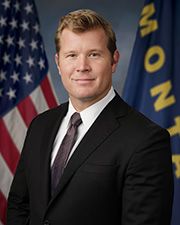
Bill Sponsor: Sen. Tim Sheehy (R-MT)
Congress: 119
Date Introduced: July 23, 2026
Last Action: Read twice and referred to the Committee on the Judiciary. (July 23, 2026)
End H-1B Visa Abuse Act of 2026
This bill temporarily suspends H-1B visa issuance for three years and permanently overhauls nonimmigrant work programs by dramatically reducing visa caps, mandating stringent wage and fee requirements, barring family dependents, and eliminating any pathways to permanent residency from within the United States.
Section-by-Section
Sec. 2. Suspending the Issuance of H-1B Visas Prohibits H-1B visas from being issued for a period of three years (this means the current crop of H-1Bs would rotate out of the country during the pause).
Sec. 3. Restricting H Nonimmigrant Visas to Primary Workers (Note: This was Section 4 in the House version) Disallows H nonimmigrants (including H-1Bs, H-2A agricultural workers, and H-2B seasonal workers) from bringing their family members with them. (This would eliminate a lot of the costs generated by the spouses and children of the low-skilled workers, including education costs. It would also eliminate the problem of granting employment authorization to the spouses of H-1Bs, which takes more jobs from American workers.)
Sec. 4. Necessary Reforms to H-1B Visa Requirements (Note: This was Section 3 in the House version) Reforms the existing H-1B program for when it comes back online by:
-
Requiring H-1B applicants to have a foreign residence to which they intend to return when their visa expires (ending dual intent).
-
Reducing the cap on H-1B visas to 25,000 from 65,000, eliminating the existing exemptions to the cap, and limiting H-1B visas to a single term of three years (from the current double term of six years).
-
Codifying the $100,000 fee (which Senator Sheehy's version renames to a "Tariff on the Importation of Labor" rather than the "Trump Fee") and extending it to all new H-1Bs and to those seeking permission to change employers (feel free to designate how this fee should be used).
-
Requiring employers seeking to import H-1Bs to attest that they are unable to find a qualified American worker, that bringing in an H-1B will not adversely affect American workers, that they have not laid off workers in the previous 12 months and will not lay any off in the following 12 months, and that they will pay the H-1B a minimum of $200,000 per year.
-
[New Sheehy Version Addition] Establishing strict mathematical definitions for an "H-1B-dependent employer" based on company size: companies with 25 or fewer employees are dependent if they have more than 7 H-1Bs; 26 to 50 employees require more than 12 H-1Bs; and 51 or more employees require H-1Bs to make up at least 15% of the workforce.
-
Requiring USCIS to distribute H-1B visas each year according to the highest wages offered by employers, rather than in a lottery system.
-
Barring H-1B workers from being employed by more than one employer at a time and barring third-party employers or staffing agencies (the so-called body shops) from employing H-1B workers.
Sec. 5. Prohibiting Federal Employment of Nonimmigrant Visa Holders Prohibits the Federal Government from sponsoring or employing nonimmigrant workers.
Sec. 6. Eliminating the Optional Practical Training Program Eliminates Optional Practical Training (OPT) in all its forms.
Sec. 7. Prohibiting Adjustment of Status Makes nonimmigrant visas actually temporary by prohibiting nonimmigrant workers, including H-1Bs, from adjusting their status to lawful permanent residence. This means every nonimmigrant would have to return to their home country when the visa expires and apply for a green card from there.
Sec. 8. Prohibiting Change of Status Prohibits nonimmigrants from changing from one nonimmigrant status to another. This will prevent H-1B workers who lose their jobs from switching to student or tourist visas so they can remain in the United States while they try to find a new employer.
Sec. 9. Effective Date Establishes that all these changes are effective upon enactment.
Sen. Bernie Moreno (R-OH) (July 23, 2026)
Sen. Mike Lee (R-UT) (July 29, 2026)