Visa Waiver Program: Legal Open Borders for the Developed World
Fact Sheet - Wednesday, January 21, 2026
Federal Agency Oversight: DOS, DHS
The Basics:
- The Visa Waiver Program (VWP) was first created in 1986 as a trial program and was made permanent in 2000.
- The VWP allows nationals of designated countries to travel to the United States for temporary business or tourism (no more than 90 days) without a visa.
- The Electronic System for Travel Authorization (ESTA) is an automated system that determines eligibility to travel to the United States under the VWP and whether such travel poses any law enforcement or security risk. ESTA validation lasts for two years.
- 42 countries are currently eligible for VWP.
- While most aliens must apply for a visa with the State Department and appear for an interview with a consular officer to ensure eligibility, the VWP allows nationals from designated countries to avoid these steps.
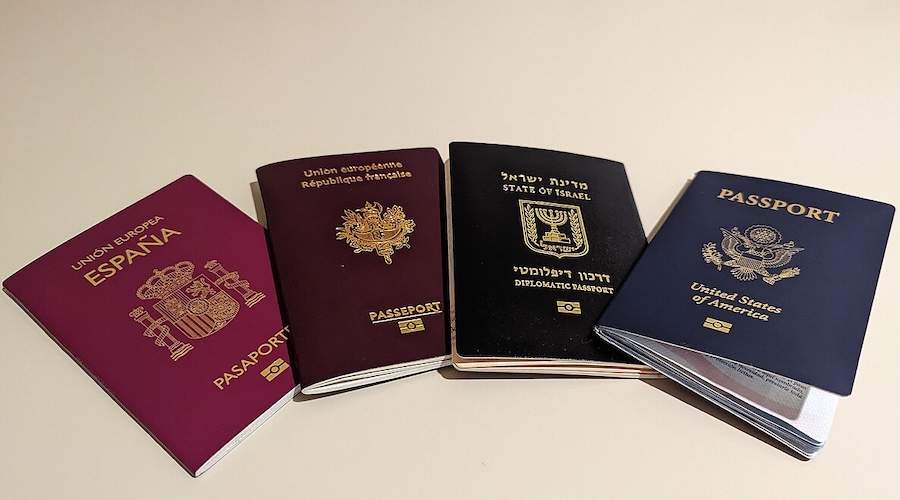
- VWP aliens must have an electronic passport per 8 U.S.C. 1187(a)(3)(B).
- For countries to qualify for the VWP, they must:
- Have less than a 2.0% average refusal rate for non-immigrant visas for the prior two fiscal years;
- Not exceed a maximum visa overstay rate established by the Secretaries of State and DHS;
- Issue electronic passports;
- Enter into an agreement with the United States to report, or make available through Interpol or other means as designated by the Secretary of Homeland Security, information about the theft or loss of passports to the United States Government no later than 24 hours after becoming aware of the theft or loss, in a manner specified in the agreement;
- Accept for repatriation any citizen, former citizen, or national of the country against whom a final executable order of removal is issued not later than three weeks after the issuance of the final order of removal;
- Enter into an agreement with the United States to share information regarding whether citizens and nationals of that country represent a threat to the security or welfare of the United States; and
- Certify that, to the maximum extent allowed under the laws of the country, it is screening, for unlawful activity, each person who is not a citizen or national of that country who is admitted to or departs that country, by using relevant databases and notices maintained by Interpol, or other means designated by the Secretary of Homeland Security.
- The Secretary of Homeland Security, in consultation with the Secretary of State, is required to re-evaluate the program and the designated countries every two years.
The Problem:
- The VWP outsources the vetting of millions of aliens to the governments of foreign countries. This means millions of aliens are permitted to travel to the United States without speaking to a U.S. immigration official until they actually arrive at a port of entry in the United States.
- In 2006, the GAO wrote: “The Visa Waiver Program has many benefits as well as some inherent risks. It facilitates travel for millions of people and eases consular workload, but poses challenges to border inspectors, who, when screening visa waiver travelers, may face language barriers or lack time to conduct in-depth interviews.”
- The list of eligible VWP countries includes many Western European countries that are demonstrably unwilling to enforce their own immigration laws and have allowed many potential threats from other nations to enter and remain in their countries. If they are not protecting their own national security, why would we rely on them to vet people traveling to our country?
- Compliance with Visa Waiver regulations by participating countries and international airlines has been spotty.
- The Government Accountability Office (GAO) in 2011 found:
- “In 2010, airlines complied with the requirement to verify ESTA approval for almost 98 percent of Visa Waiver Program passengers prior to boarding, but the remaining 2 percent-—about 364,000 travelers-—traveled under the program without verified ESTA approval.”
- “In May 2011, GAO reported that DHS had not yet completed a review of these cases to determine the extent to which they pose a risk to the program.”
- “DHS requires that Visa Waiver Program countries enter into three information-sharing agreements with the United States; however, only 21 of the [then] 36 countries had fully complied with this requirement as of November 2011, and many of the signed agreements have not been implemented.”
LEGISLATIVE RECOMMENDATION: Congress should dramatically increase the standards for participating countries, including by reducing the permissible visa-refusal rate and setting a permissible overstay rate at zero. Aliens entering the United States under the visa waiver program should be required to enter and depart through the biometric entry-exit system. The Department of Homeland Security should be required to report annually on the visa overstay rates of all Visa Waiver countries. Failure to comply with the standards should result in a nation’s immediate, automatic disqualification from the Visa Waiver Program.
ADMINISTRATIVE RECOMMENDATION: The Department of Homeland Security should use its statutory authority to review every VWP country and ensure that each is in compliance with all regulatory standards, including visa refusal and overstay rates. Those not in compliance should be disqualified from the program immediately.
Download Fact Sheet
Visa Waiver Program: Legal Open Borders for the Developed World
Report - Mass Deportation Playbook

Fact Sheet - The U.S. Immigration System
Fact Sheet - Sanctuary Cities: Protection for Criminal Aliens
Letter - Permanent Trump Secure Border Act Endorsement

Fact Sheet - 287(g): Helping States Help Themselves